

The historical evolution of gambling From ancient rituals to modern casinos
The historical evolution of gambling From ancient rituals to modern casinos
The Origins of Gambling
The practice of gambling can be traced back to ancient civilizations, where it often intertwined with religious rituals and social customs. Archaeological findings indicate that dice were used in Mesopotamia around 3000 BC, revealing that games of chance have been a part of human culture for millennia. These early forms of gambling were not merely for entertainment; they played roles in decision-making processes and were often associated with divination and spiritual beliefs. Today, players can explore the best options available and check site for more information on modern gambling practices.

In ancient China, gambling activities such as Keno date back to at least 200 BC, highlighting a structured approach to gaming that would evolve over time. Historical texts suggest that these early games were linked with state finances, indicating that even in ancient times, gambling was recognized as a significant economic activity. The Roman Empire also had its share of gambling, with various games and betting practices adopted by the populace, marking a cultural shift towards leisure and entertainment.
As civilizations developed, so did the complexity and organization of gambling practices. By the time of the Middle Ages, gambling was prevalent throughout Europe, with activities ranging from betting on horse races to playing card games. These developments set the stage for gambling to become a social institution, where stakes were not just financial but also involved status and honor. Through the ages, the essence of gambling remained consistent—risking something of value on an uncertain outcome.
The Legalization and Regulation of Gambling
The evolution of gambling took a significant turn during the 17th and 18th centuries when governments began to recognize its potential for taxation and regulation. The establishment of state-sanctioned lotteries became increasingly popular as a means to fund public projects. These lotteries not only provided a legitimate platform for gambling but also helped shape public perception, making it a socially acceptable activity in many communities.
In the 19th century, the introduction of casinos marked a pivotal moment in gambling history. The first official casino opened in Venice in 1638, paving the way for other European cities to follow suit. By the time the United States entered the picture, gambling had evolved into a more organized form, with establishments like the famous Monte Carlo Casino setting standards for luxury and sophistication in gaming.
The legal landscape surrounding gambling has continued to adapt over the years. With the rise of the internet in the late 20th century, online gambling emerged, prompting new regulations. Countries began to develop frameworks for online gaming, allowing players to enjoy their favorite games from the comfort of their homes. This shift not only expanded access to gambling but also diversified the types of games available, from traditional options to innovative new formats.
The Impact of Technology on Gambling
Technology has played an instrumental role in the evolution of gambling, particularly with the advent of the digital age. The introduction of online casinos in the 1990s revolutionized the gambling experience, allowing players to access games without physically visiting a casino. This innovation transformed traditional gaming practices and introduced a new audience to the world of gambling.
Mobile technology further propelled the gambling industry into a new era. With smartphones and tablets becoming ubiquitous, online gambling has become more accessible than ever. Players can now place bets, play poker, or spin the slots from virtually anywhere, emphasizing convenience and instant gratification. Mobile gaming apps have enhanced user experience, offering interactive features and engaging gameplay that appeal to a younger demographic.
The integration of advanced technologies like virtual reality (VR) and artificial intelligence (AI) has also started to reshape the gambling landscape. VR casinos simulate the real casino experience, allowing players to immerse themselves in a virtual environment. Meanwhile, AI algorithms analyze player behavior to offer personalized recommendations, enhancing customer satisfaction and retention. As technology continues to evolve, it promises to drive further innovations in the gambling industry, making it an exciting field to watch.
The Social and Cultural Influence of Gambling
The societal perception of gambling has shifted significantly over time, reflecting broader cultural attitudes. In many cultures, gambling is viewed as a recreational activity, fostering social bonds among participants. Social gambling, such as friendly poker games or betting on sports events, often serves as a catalyst for communal interaction and entertainment.
However, gambling also carries stigma, particularly when it leads to addiction or financial hardship. Various societies have responded differently to the darker aspects of gambling, implementing support systems and awareness campaigns to address problem gambling. Responsible gaming initiatives have gained traction, emphasizing the importance of setting limits and maintaining control over gambling habits.
As gambling continues to evolve, it remains a topic of fascination and debate. Its portrayal in popular culture, from films to television shows, reflects both its allure and the potential pitfalls. The duality of gambling as both a source of entertainment and a potential vice encapsulates the complexities surrounding this age-old practice, influencing public policy and personal choices alike.
Your Guide to Modern Gambling Options
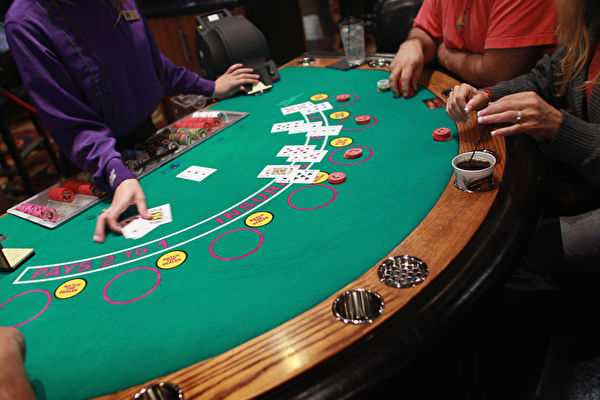
In the contemporary landscape, gambling has become a multifaceted experience, bridging the gap between traditional practices and modern innovations. Today’s gamblers have access to a wide array of options, from brick-and-mortar casinos to online platforms offering a plethora of games. Whether it’s the thrill of live dealer games or the excitement of virtual slots, players can find something that suits their preferences.
For those exploring online gambling, it’s essential to choose reputable platforms that prioritize player safety and fair play. Modern online casinos often incorporate advanced security measures, ensuring that players’ data and financial transactions are well-protected. With user-friendly interfaces and mobile compatibility, these platforms cater to a diverse audience, making it easier for new players to join the gaming community.
Your journey into the world of gambling can be enriched by utilizing comprehensive resources that offer insights, reviews, and recommendations. Understanding the latest trends, regulatory updates, and responsible gaming practices will empower players to make informed choices. As the gambling industry continues to evolve, staying abreast of developments will enhance the overall experience and help navigate this thrilling landscape responsibly.
